Tourism
Popular descriptions of this rugged country, with majestic beauty and serene simplicity, are "Mountain Kingdom" and "Kingdom in the Sky". Lesotho offers a very different tourism experience, with the potential of the tourism sector lying in its natural beauty, rich flora and fauna, and absorbing prehistoric and cultural heritage. The appeal of this extraordinary country is rarely found in more commercialised destinations.
Mountains, valleys and rivers provide memorable scenery for tourists. This is where Lesotho gets its crystal-clear water as well as green pastures for livestock. Basotho is a nation with solid traditions, beliefs and customs. The annual Morija arts festival portrays at the best level the rich culture and celebrations tha Lesotho is truly proud of. There are also numerous investment opportunities in the tourism sector in Lesotho on areas such as accommodation facilities, health and wellness resorts, water sports and recreation, high altitude training facilities and skiing resorts.
All routes leading to South Africa will get you to Lesotho. Daily flights between Johannesburg and Maseru take approximately 1 hour. By road, there are 11 border posts between Lesotho and South Africa, and the roads are well developed. Additional information visit www.ltdc.org.ls.
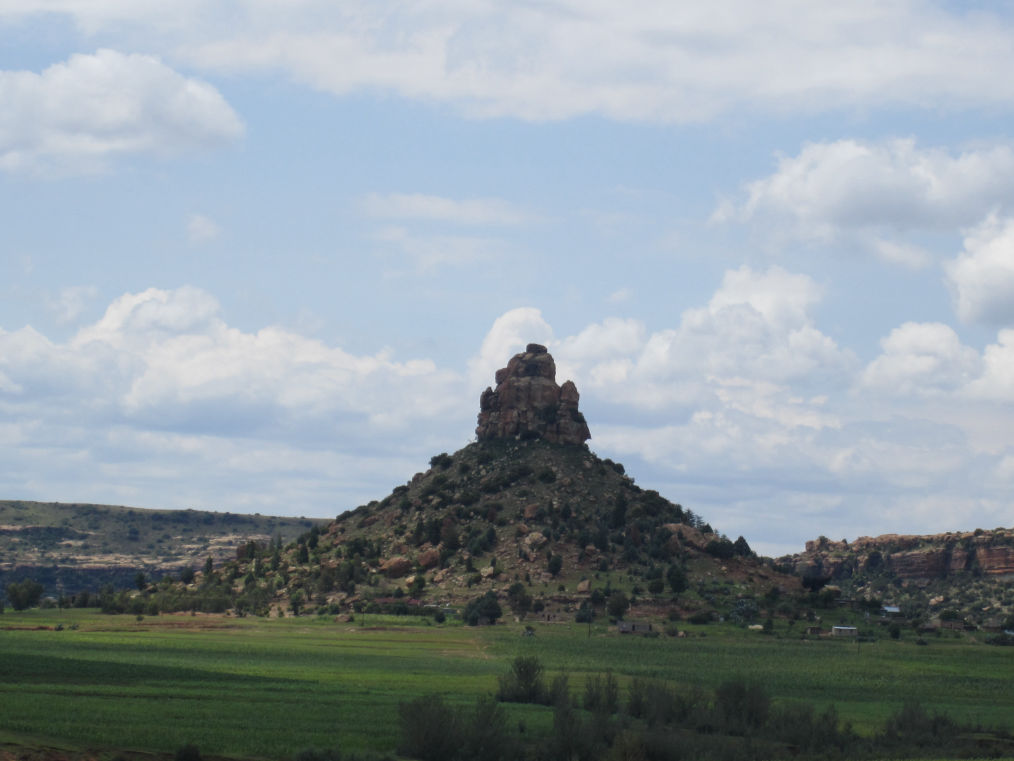
Mount Qiloane, rising just east of Maseru, is one of Lesotho’s most recognisable natural landmarks and a proud emblem of Basotho identity. This striking conical peak is widely believed to have inspired the shape of the mokorotlo, the traditional Basotho hat that has become a national symbol. Seen from the surrounding plains, the mountain’s graceful silhouette stands like a sentinel over the capital, its presence woven into the kingdom’s cultural memory and artistic expression.
Beyond its iconic shape, Mount Qiloane holds deep significance in the history and mythology of the Basotho people. According to local tradition, the mountain served as a refuge in turbulent times and was regarded as a place of spiritual protection. Its prominence in folklore has helped preserve the Basotho connection to the land, making it far more than a scenic backdrop. Today, visitors can explore the area on gentle walks or guided excursions, enjoying sweeping views and a closer look at the mountain that helped define a nation’s cultural identity. See also www.wheretostay.co.za.